E-Mail: sales@microapproachmed.com
Phone: +86-17722685792
- All
- Product Name
- Product Keyword
- Product Model
- Product Summary
- Product Description
- Multi Field Search

Views: 0 Author: Site Editor Publish Time: 2026-02-09 Origin: Site


Kidney stone pain worries many people. A common question follows: is lithotripsy very painful?This article looks at what patients actually feel. Pain depends on technique, stone type, and care.You will see how pain is controlled. Devices like Stone Cone help improve comfort.
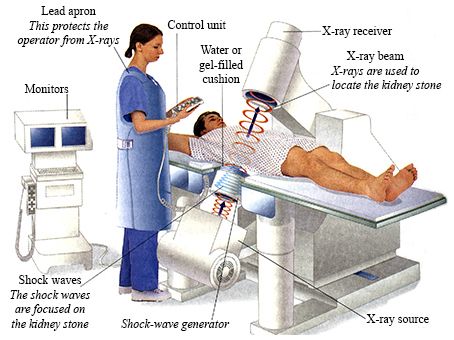
Pain associated with lithotripsy does not arise from a single source, and this distinction is critical for understanding patient experience. Instead, discomfort tends to occur in phases, each driven by a different physiological mechanism and each requiring a different management approach.
During lithotripsy itself, pain is primarily related to the transmission of shock waves through body tissues as they are focused on the stone. This discomfort is procedural and time-limited, and it is usually controlled through anesthesia or sedation. After the procedure, pain is more commonly linked to the passage of stone fragments through the ureter, which can trigger spasms, pressure, and irritation of the urinary tract lining.
Patients who expect severe pain during treatment are often surprised to find that post-procedure discomfort, rather than intra-procedural pain, is the more noticeable phase. Understanding this difference helps reduce anxiety and improves compliance with recovery instructions.
Shock wave lithotripsy works by delivering focused acoustic energy through water and soft tissue until it reaches the stone. When the energy hits the stone, it creates stress forces that cause fragmentation. Importantly, soft tissues absorb relatively little energy, which is why the procedure is non-invasive.
Most patients describe the sensation as rhythmic tapping, dull pressure, or mild impact against the flank rather than sharp pain. These sensations become uncomfortable only when energy levels rise or when targeting is prolonged, which is why precise imaging and controlled energy delivery are essential.
Not all kidney stones behave the same way under shock wave energy. Larger stones, denser stones, or stones located in narrow ureteral segments often require higher energy levels or longer treatment times. As a result, these factors can increase discomfort during the procedure and prolong recovery afterward.
Stone composition also matters, because harder stones fragment less predictably, which can lead to uneven fragment sizes and more irritation during passage. These variables are assessed before treatment to tailor the lithotripsy plan accordingly.
When patients compare lithotripsy pain to kidney stone pain, the contrast is often striking. Although lithotripsy is a medical intervention, it is usually far less distressing than a spontaneous stone attack.
Kidney stone attacks typically occur when a stone obstructs urine flow, causing sudden ureteral spasms and increased pressure in the kidney. This pain is unregulated, unpredictable, and often severe enough to require emergency care.
Lithotripsy pain, in contrast, occurs in a controlled environment, with continuous monitoring and immediate access to pain relief. Even when discomfort occurs, it is time-limited and managed proactively, which makes it more tolerable for most patients.
Several factors contribute to better pain tolerance during lithotripsy, including predictable treatment duration, clear procedural steps, and the presence of trained medical staff throughout the process. Psychological reassurance also plays a role, because patients know that discomfort has a defined endpoint.
In addition, modern protocols emphasize patient feedback during treatment, allowing adjustments to sedation or energy delivery when needed.
Despite these advantages, some patients do report higher discomfort levels. This usually occurs when minimal sedation is used, when stones are difficult to target, or when anatomical variations complicate shock wave alignment. In such cases, alternative approaches or enhanced pain control may be recommended.
Anesthesia selection plays a central role in determining how painful lithotripsy feels. Different approaches balance patient comfort, safety, and recovery time.
General anesthesia eliminates awareness and pain entirely but requires longer recovery and closer monitoring. Regional anesthesia numbs specific areas while allowing partial awareness. IV sedation, which is most commonly used, keeps patients relaxed and drowsy while maintaining spontaneous breathing.
The table below summarizes typical patient experiences:
Anesthesia Type | Patient Awareness | Typical Pain Level | Recovery Speed |
General Anesthesia | None | Minimal | Slower |
Regional Anesthesia | Partial | Low | Moderate |
IV Sedation | Drowsy | Mild to Moderate | Fast |
When minimal sedation is chosen, patients may feel tapping sensations or brief pressure waves, especially as shock energy increases. These sensations are usually tolerable and short-lived, particularly when communication between patient and provider remains open.
The optimal pain control plan depends on stone characteristics, patient preference, and medical history. Shared decision-making ensures that patients feel involved and informed, which itself reduces perceived pain.
Post-procedure pain is often the phase patients remember most, but it is also the phase with the most effective self-management options.
Pain From Passing Stone Fragments
After lithotripsy, stone fragments move through the urinary tract over days or weeks. This process can trigger intermittent pain, especially when fragments pass through narrow sections of the ureter. Pain often comes in waves and decreases as fragments become smaller or pass completely.
Blood in Urine and Urinary Burning Sensations
Temporary blood in the urine and mild burning during urination are common after lithotripsy. These symptoms result from mucosal irritation and usually resolve within several days as tissues heal.
How Long Post-Lithotripsy Pain Usually Lasts
Most patients resume normal activities within a few days, although fragment passage may continue longer. Pain intensity generally decreases steadily, especially when hydration and medications are used correctly.
Technical factors during lithotripsy can influence pain indirectly by affecting procedural success and recovery. Stone Cone addresses one of the most common technical challenges: stone retropulsion.
Preventing Stone Migration During Lithotripsy
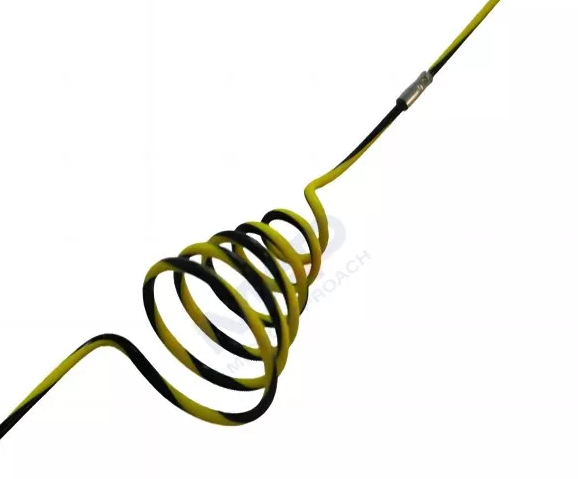
Stone retropulsion occurs when shock wave energy pushes fragments upward into the kidney. This movement reduces fragmentation efficiency and often leads to residual stones that cause ongoing pain. Stone Cone forms a temporary barrier above the stone, stabilizing its position during treatment.
Reducing the Risk of Ureteral Blockage
Uncontrolled fragments can cluster and block urine flow, leading to severe post-operative pain. By controlling fragment movement and size, Stone Cone lowers the risk of obstruction and associated complications.
Stone Cone vs. No Anti-Retropulsion Device
Clinical Factor | With Stone Cone | Without Device |
Stone stability | High | Variable |
Retreatment risk | Lower | Higher |
Post-op pain risk | Reduced | Increased |
Clinical experience suggests that anti-retropulsion devices improve efficiency and patient comfort, particularly in complex ureteral stones (validation required).
Anti-retropulsion tools support both clinical outcomes and operational efficiency in stone management.
Patient behavior before and after lithotripsy significantly influences pain outcomes, making education a critical part of care.
Preparing Your Body Before Treatment
Patients are advised to stay well hydrated, review medications with their provider, and discuss any pain concerns openly. Mental preparation reduces anxiety-driven pain amplification and improves cooperation during treatment.
Pain Management While Passing Stones
Common strategies include prescribed pain relievers, alpha blockers to relax the ureter, consistent hydration, and light physical activity to encourage fragment movement. These measures work best when used together.
When Pain Signals a Problem
Severe pain accompanied by fever, inability to urinate, or worsening symptoms despite medication requires immediate medical attention. Early intervention prevents serious complications.
Clear discharge instructions reduce emergency visits and improve patient confidence during recovery.
Not all patients experience lithotripsy pain in the same way, and identifying risk factors helps tailor treatment.
Patient Factors That Increase Pain Sensitivity
Patients with prior traumatic stone episodes, high anxiety levels, or low pain tolerance often report higher discomfort. Psychological reassurance and education can mitigate these effects.
Stone Characteristics That Matter Most
Larger, harder stones located in narrow ureteral segments are more likely to cause discomfort during both treatment and recovery. These factors guide treatment selection.
When Alternatives to Lithotripsy May Be Better
In some cases, ureteroscopy or laser lithotripsy offers better outcomes with less pain, particularly for very large or dense stones. Individualized treatment planning remains essential.
So, is lithotripsy very painful? For most patients, the answer is reassuring. Pain is usually manageable and far less severe than untreated kidney stone attacks. Advances in anesthesia, precise targeting, and devices such as Stone Cone from Shenzhen MicroApproach Medical Technology Co., Ltd. have made lithotripsy more predictable and patient-centered.
With clear communication and tailored pain management, lithotripsy is effective and far less intimidating than many patients expect.
A: Pain is usually manageable, and Stone Cone helps reduce discomfort by preventing stone movement.
A: Stone size, location, and technique matter, while Stone Cone improves procedural stability.
A: Stone Cone limits stone retropulsion, reducing repeat treatment and post-procedure pain.
A: Most patients report less pain, especially when Stone Cone is used.
A: It may add device cost, but Stone Cone can reduce retreatment expenses.
A: Persistent pain may indicate obstruction, and Stone Cone lowers this risk.
