E-Mail: sales@microapproachmed.com
Phone: +86-17722685792
- All
- Product Name
- Product Keyword
- Product Model
- Product Summary
- Product Description
- Multi Field Search

Views: 0 Author: Site Editor Publish Time: 2026-02-11 Origin: Site


Have you ever heard the term urinary diversion device during a serious medical moment?
For many patients, it appears after surgery, diagnosis, or sudden urinary problems.A urinary diversion device helps urine leave the body safely when normal pathways fail.
Without it, pressure and infection risks can threaten kidney health.In this article, you will learn what a urinary diversion device is, why it is used, and how it supports daily life.
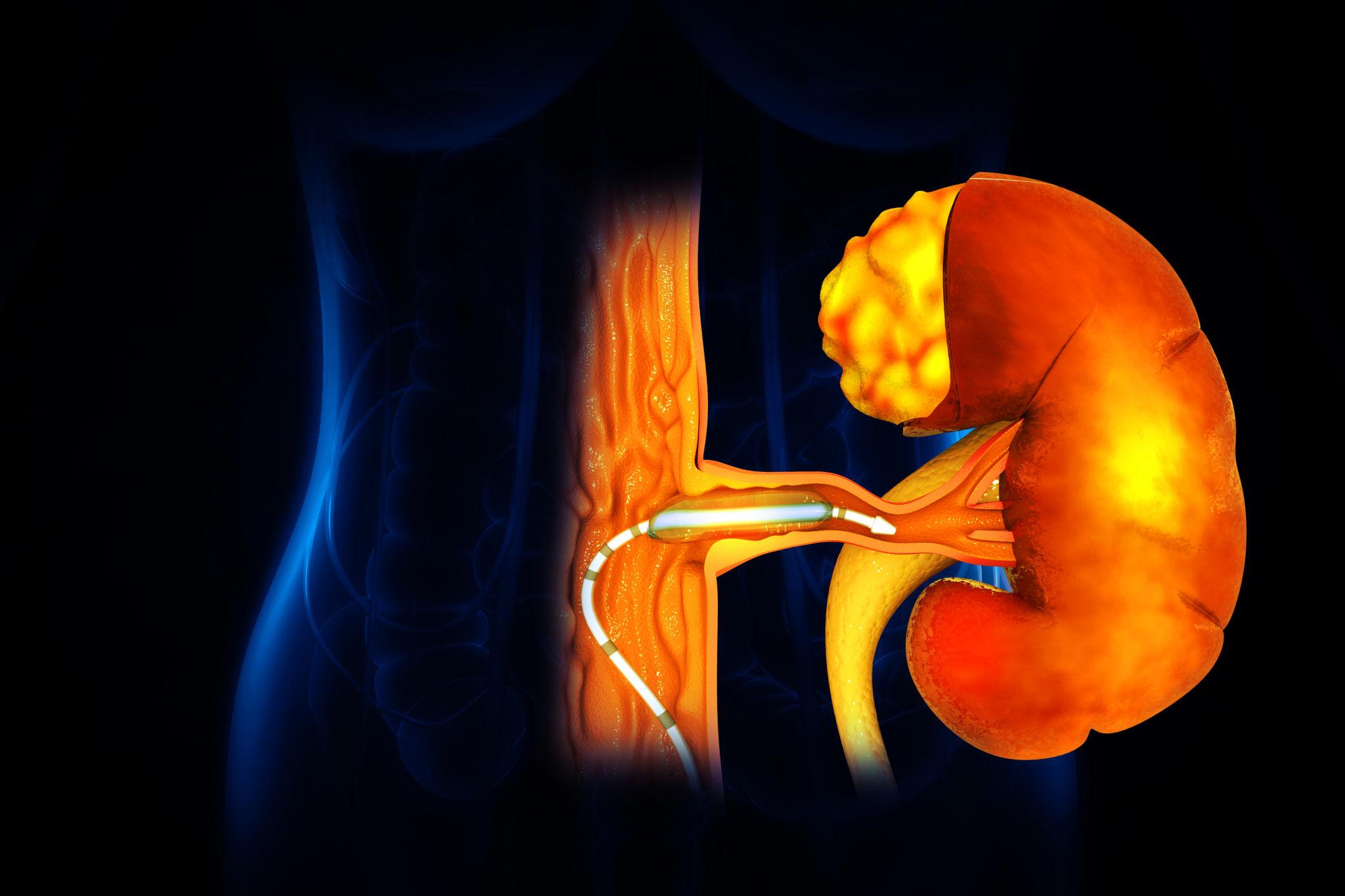
From a clinical perspective, a urinary diversion device is a medical instrument designed to redirect urine flow when the natural urinary pathway cannot be used. It is important to separate the concept of urinary diversion surgery from the device itself, because surgery changes anatomy while the device maintains functional drainage over time.
These devices may be fully internal, fully external, or partially internal and external, depending on the patient’s condition and treatment plan. Regardless of form, their shared purpose is maintaining unobstructed urine drainage and preventing harmful pressure buildup in the urinary tract.
The fundamental role of a urinary diversion device is controlled redirection of urine away from a blocked, removed, or non-functioning part of the urinary system. Without this redirection, urine accumulation can quickly lead to urinary tract infections, pain, stone formation, or progressive kidney damage.
Devices such as ureteral stents, including the Double J Stent and Anti-Reflux Ureteral Stent, maintain patency within narrow passages and support continuous urine movement. By keeping urine flowing at a stable rate, these devices reduce medical complications while allowing tissues to heal or adapt to long-term changes.
Not all urinary diversion devices are intended for the same duration of use, and understanding this distinction helps set realistic expectations for patients and care providers. Temporary devices are commonly used after surgery, during acute inflammation, or when an obstruction is expected to resolve with treatment, and they are usually removed once normal flow can resume.
Permanent or long-term devices are selected when urinary dysfunction is irreversible. A Long Term Double J Stent, for example, may remain in place for extended periods with scheduled replacements, providing a stable solution for chronic obstruction or anatomical changes.
The urinary system relies on coordinated function between the kidneys, ureters, bladder, and urethra, and when one component fails, the entire system is affected. A urinary diversion device intervenes at specific points to restore balance and protect renal function.
For example, ureteral stents bridge the kidney and bladder when the ureter narrows, while nephrostomy tubes bypass the ureter entirely by draining urine directly from the kidney. Catheters bypass bladder dysfunction, allowing urine to exit without relying on normal bladder contraction.
Device-based diversion focuses on managing urine flow using medical hardware, whereas surgical reconstruction aims to rebuild or replace anatomical structures. In many real-world cases, these approaches are combined rather than competing, because devices provide flexibility and reversibility during recovery.
Bladder cancer remains the most common reason patients require urinary diversion. When cancer necessitates removal of the bladder, urine no longer has a storage or exit pathway, making urinary diversion devices essential for immediate and long-term management.
Ureteral stents may be used to stabilize urine transport early in recovery, while external collection systems support continuous drainage in incontinent diversion approaches.
Damage to the nerves controlling bladder function can severely impair urination, even when the bladder itself remains intact. Conditions such as spinal cord injury, multiple sclerosis, and spina bifida disrupt the communication between the brain and urinary muscles, leading to retention or incontinence.
Urinary diversion devices compensate for this loss of control by ensuring predictable drainage, reducing the risk of retention and infection, and allowing patients to manage urine output safely.
Urinary obstruction may arise from kidney stones, tumors, radiation damage, or physical trauma, and in these situations pressure builds rapidly and threatens kidney health.
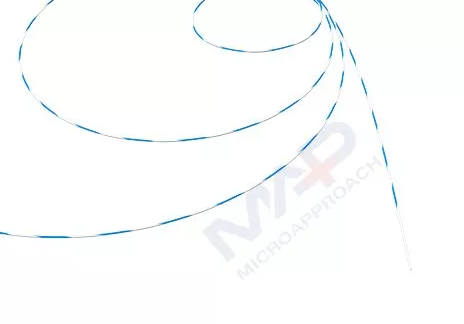
Specialized tools such as a Customized Therapy Zebra Guide Wire Without TPU Tip are often used during procedures to guide precise placement of stents in complex or delicate anatomy, ensuring effective diversion without additional tissue damage.
Catheters remain among the most widely used urinary diversion devices due to their simplicity and versatility. Foley catheters pass through the urethra, while suprapubic catheters enter through the lower abdomen, bypassing the urethra entirely.
These devices are commonly used for short-term drainage, postoperative care, and acute retention, although some patients rely on them long term under careful supervision.
Nephrostomy tubes provide direct drainage from the kidney when ureters are blocked or inflamed, making them essential in emergency settings. Ureteral stents, by contrast, preserve internal drainage pathways and reduce the need for external collection.
A Double J Stent anchors itself at both ends, while anti-reflux designs help prevent backward urine flow, which can reduce infection risk and patient discomfort.
Device Type | Primary Function | Typical Duration | Key Advantage |
Foley Catheter | Bladder drainage | Short-term | Simple placement |
Suprapubic Catheter | Bladder bypass | Short to long-term | Reduced urethral irritation |
Double J Stent | Ureter support | Medium to long-term | Internal drainage |
Anti-Reflux Ureteral Stent | Prevent backflow | Long-term | Lower infection risk |
Nephrostomy Tube | Kidney drainage | Short to medium-term | Emergency decompression |
Urostomy systems connect a surgically created stoma to an external pouch that collects urine continuously. Modern pouching systems are designed to minimize leakage, control odor, and protect skin integrity, making them practical for long-term use across a wide range of lifestyles.
Continent diversion devices store urine internally and require patients to empty reservoirs using catheters at scheduled intervals. These systems demand greater patient involvement but eliminate the need for an external bag, which many patients prefer for personal and social reasons.
Urine movement through diversion devices relies on gravity, pressure gradients, or scheduled emptying depending on the device type. Stents allow urine to flow naturally, while external systems collect urine continuously, and internal reservoirs require active management by the patient.
Understanding these mechanics helps patients anticipate routine care needs and avoid preventable complications.
Consistent care is essential for device effectiveness and infection prevention. Patients are taught how to clean insertion sites, empty collection bags before overfilling, and recognize early signs of blockage or infection.
For internal devices such as ureteral stents, routine replacement schedules reduce encrustation and maintain flow integrity over time.
Leakage often signals improper fit or partial blockage, while odor may indicate infection or inadequate hydration. Skin irritation typically results from prolonged moisture exposure or adhesive sensitivity.
Using proper barriers, maintaining hydration, and addressing issues promptly can significantly improve comfort and confidence.
The most critical benefit of a urinary diversion device is kidney protection. By preventing urine retention and backpressure, devices preserve renal function and reduce the likelihood of systemic infection.
They also provide stability during recovery and enable safe long-term management for chronic conditions that would otherwise threaten organ health.
Most patients resume work, travel, and social activities after an initial adjustment period. Devices are designed to remain discreet under clothing, and many are compatible with active lifestyles, including light exercise and travel.
However, some activities require planning, especially during early adaptation or when managing external collection systems.
Despite their benefits, urinary diversion devices carry inherent risks, including infection, blockage, encrustation, and device migration. Long-term stents require careful monitoring and timely replacement to avoid serious complications.
Clinicians evaluate diagnosis, anatomy, prior surgeries, and radiation exposure when selecting a urinary diversion device. Kidney function, infection history, and anticipated duration of use also influence decisions.
Complex cases may require specialized stents or guide wires to ensure safe placement and reliable long-term performance.
Factor | Impact on Choice |
Diagnosis | Determines diversion level |
Anatomy | Affects device compatibility |
Patient dexterity | Influences self-care feasibility |
Expected duration | Guides temporary vs permanent use |
Infection risk | Supports anti-reflux designs |
Some devices require daily care or self-catheterization, while others demand minimal involvement. Patient dexterity, vision, cognitive ability, and available support systems play a significant role in successful long-term use.
Choosing a device with long-term needs in mind reduces future interventions and improves quality of life. Early planning aligns treatment with prognosis and patient goals, minimizing unnecessary device changes.
Most patients adapt over time, regaining independence and confidence as device management becomes routine. Education, regular follow-up care, and access to peer support significantly accelerate adjustment and improve satisfaction.
Adequate hydration helps flush bacteria, reduces encrustation risk, and supports kidney health. Certain foods may affect urine odor, but balanced nutrition supports overall recovery and immune function.
Patients should seek medical care if they experience fever, chills, back pain, sudden blockage, unusual leakage, or noticeable changes in urine appearance, as early intervention prevents severe outcomes.
A urinary diversion device is not simply a medical accessory but a vital system that protects kidney health, supports recovery, and enables daily life when normal urine flow is disrupted. With proper selection, patient education, and ongoing care, these devices allow individuals to live active and fulfilling lives while minimizing medical risk. As a professional manufacturer and solution provider, Shenzhen MicroApproach Medical Technology Co., Ltd. supports safe and effective urinary diversion management through reliable device design and clinical-focused innovation, reinforcing the importance of open, informed collaboration between patients and healthcare providers.
A: A urinary diversion device is a medical tool that reroutes urine when the bladder, urethra, or ureter cannot drain normally. It protects kidneys by preventing urine backup, and it may include a Double J Stent, catheter, or external pouch system.
A: A urinary diversion device is used after bladder removal, severe obstruction, trauma, radiation injury, or nerve-related bladder failure. The goal is steady urine drainage to reduce infection risk and prevent kidney damage, sometimes using a Long Term Double J Stent.
A: A urinary diversion device such as a Double J Stent sits inside the ureter to keep a pathway open from kidney to bladder. An Anti-Reflux Ureteral Stent may also reduce backward flow, which can lower discomfort and infection risk.
A: Urinary diversion surgery creates the new route, while a urinary diversion device maintains or supports urine flow through that route. For example, surgery may create a stoma, then the device includes the pouching system or internal stent.
A: No, a urinary diversion device can be short-term for healing or long-term for chronic blockage or permanent anatomical change. A Long Term Double J Stent is one option when ongoing internal drainage is needed.
