E-Mail: sales@microapproachmed.com
Phone: +86-17722685792
- All
- Product Name
- Product Keyword
- Product Model
- Product Summary
- Product Description
- Multi Field Search

Views: 0 Author: Site Editor Publish Time: 2026-02-02 Origin: Site


What tools truly define modern Urology today? The answer goes far beyond basic instruments.This article explores what equipment is used in urology.
It explains why equipment choices affect safety and outcomes.You will learn how Urology equipment fits real workflows. You will also see how clinics plan smarter purchases.
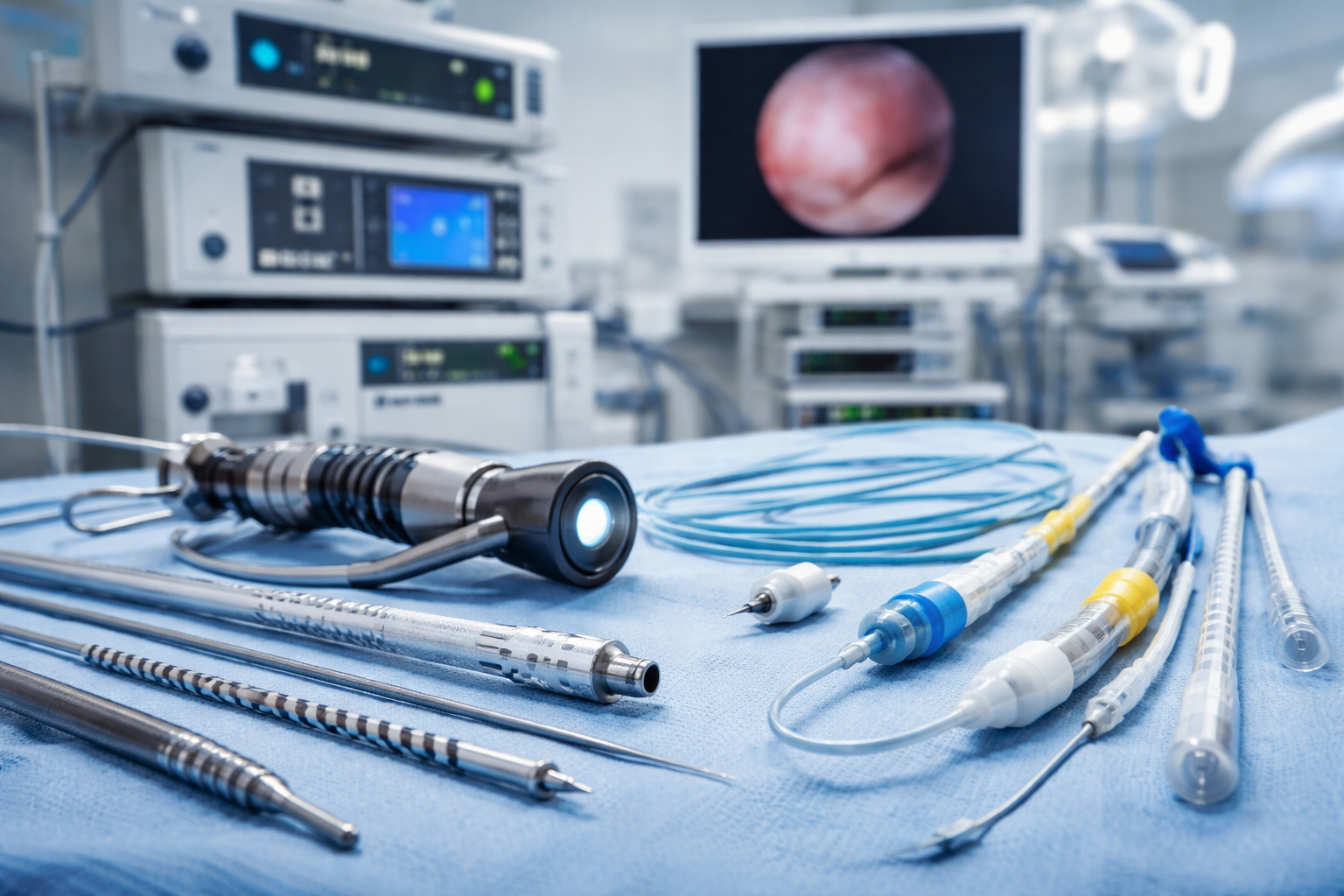
Diagnostic precision is the foundation of effective urology care, because a clear diagnosis reduces unnecessary procedures and improves treatment selection, especially in stone disease, prostate conditions, and functional bladder disorders.
Ultrasound Systems in Urology Diagnostics
Ultrasound is one of the most used imaging tools in urology, because it provides real-time views of kidneys, bladder, and prostate without radiation exposure, and it can be repeated often for follow-up assessments. Transabdominal scanning supports screening for hydronephrosis, stones, and bladder retention, transrectal ultrasound improves prostate evaluation, and Doppler ultrasound adds blood-flow assessment that supports vascular screening and selected sexual health evaluations, so clinics often prefer ultrasound equipment that can handle multiple probes and common urology presets.
Endoscopic Diagnostic Instruments
Endoscopic diagnostic instruments allow direct visualization of the urinary tract, which reduces uncertainty and helps clinicians confirm lesions, stones, strictures, and inflammation without relying only on indirect imaging findings. Cystoscopes are used to inspect the bladder and urethra, while ureteroscopes and nephroscopes help evaluate the upper urinary tract and kidney collecting system, and many facilities also prioritize endoscopic visualization quality because better optics can shorten procedure time and reduce repeated scope passes.
Laboratory and Point-of-Care Testing Equipment
Laboratory and point-of-care tools help urology teams make faster clinical decisions, because urine analyzers can identify infection markers and hematuria patterns quickly, and PSA test kits support prostate screening pathways when used appropriately within clinical protocols. On-site testing reduces turnaround time compared with outsourced services, and it often improves appointment efficiency, because clinicians can discuss results sooner and align next steps during the same visit.
To answer the central question in a workflow-based way, Urology equipment can be grouped by how it supports visualization, access, treatment delivery, and post-procedure management across outpatient clinics and hospital settings.
Imaging and visualization equipment shapes procedural accuracy in minimally invasive urology, because clinicians rely on clear anatomical detail during ureteroscopy, cystoscopy, and transurethral procedures. Endoscopic imaging systems typically include camera heads, light sources, and HD or UHD monitors, and they may integrate with CT, X-ray, or fluoroscopy depending on case complexity, because cross-sectional imaging can help in stone mapping and surgical planning when ultrasound alone is insufficient.
Catheters remain essential equipment in urology, because they support bladder drainage, perioperative management, and selected long-term care pathways, and their selection affects comfort and infection risk. Indwelling catheters support continuous drainage in acute and postoperative situations, intermittent catheters suit short-term or self-catheterization use, and external catheters offer a non-invasive option for selected male patients, while materials such as silicone or coated designs can reduce irritation during extended wear.
Laser equipment is widely adopted in urology, because it supports minimally invasive tissue interaction with high precision, and it often reduces bleeding and recovery time compared with traditional surgery. Holmium lasers are commonly used for stone fragmentation and tissue ablation, and they support endoscopic instruments with small diameters, which helps clinicians work in narrow anatomical spaces while maintaining effective energy delivery and controlled outcomes.
Lithotripsy equipment supports stone treatment through non-invasive or endoscopic approaches, and the best choice depends on stone size, location, density, and patient factors. Extracorporeal shock wave lithotripsy (ESWL) is often selected for suitable stones that can be treated without scope access, while intracorporeal lithotripsy through endoscopy provides direct fragmentation and controlled retrieval for larger or complex stones, so urology centers often align their equipment plan with local stone case volume and referral patterns.
Urodynamic testing equipment evaluates bladder and sphincter function using pressure-measuring catheters, flow sensors, and analysis software, and it is particularly valuable for diagnosing incontinence, neurogenic bladder, and functional voiding disorders. Because urodynamic results provide measurable functional data, they help clinicians select interventions more confidently, and they also support patient counseling by translating symptoms into objective findings.
Ureteroscopy relies on reliable access, safe navigation, and consistent drainage support, so a dedicated consumables module helps procurement teams standardize items, reduce stockouts, and improve procedure consistency, especially in high-volume stone pathways. In this workflow area, Shenzhen MicroApproach Medical Technology Co., Ltd. offers the following products, which are naturally suited to ureteroscopic surgery and postoperative management because they support access establishment, guidewire navigation, and ureteral drainage.
Product Category | Clinical Purpose | Product Options Included | Practical Value in Urology Workflow |
Establishes a stable passageway during ureteroscopy to allow smoother instrument exchange, maintain steady irrigation flow, and reduce repeated ureter manipulation during longer procedures. | Ureteral Access Sheath used in urology; Ureteral Access Sheath used in urology surgery; Ureteral Access Sheath | Enables teams to match sheath selection with case complexity, surgeon preference, and operating room workflow, which improves procedural efficiency and reduces ureteral trauma risk. | |
Supports initial access, device delivery, and safe navigation during endoscopic procedures by providing controlled guidance within the urinary tract. | Yellow Medical For Urology Zebra Guide Wire; Coated Ptfe For Urology Zebra Guide Wire; Surgical For Urology Zebra Guide Wire Without Tpu Tip | Offers different handling feel and glide performance options, allowing clinicians to maintain predictable navigation and adapt technique to specific procedural needs. | |
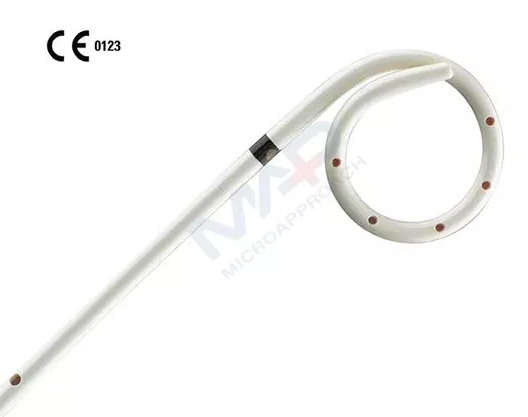
Maintains ureteral drainage after stone treatment or ureteral manipulation, reducing obstruction risk during postoperative healing. | Double J Stent | Helps ensure smoother recovery, lowers the likelihood of postoperative complications, and reduces unplanned follow-up visits when used under proper clinical protocols. |
Standardizing ureteroscopy consumables as a single purchasing bundle helps prevent missed items on surgery days and simplifies inventory management.
Surgical urology uses both traditional instruments and advanced platforms, and equipment choices often reflect the procedure mix, staffing experience, and case volume in a specific Urology service line.
Core surgical instruments such as forceps, scissors, clamps, scalpels, and needle holders remain essential, because they support open surgery, laparoscopic steps, and adjunct tasks even during minimally invasive procedures. Many urology teams prioritize ergonomic design and corrosion-resistant materials, because instruments face repeated sterilization cycles, and poor handling can increase surgeon fatigue during longer cases, which may affect precision over time.
Endoscopic surgical instruments enable tissue resection and stone management through minimal access, and common tools include resectoscopes and endoscopic graspers that support transurethral procedures in prostate and bladder workflows. These instruments reduce trauma compared with open surgery, and they often shorten recovery time, but they require strong visualization and reliable energy integration to maintain safety and efficiency.
Surgical robots support advanced urology procedures such as robotic-assisted prostatectomy and nephrectomy, and they provide 3D visualization and tremor reduction that can improve precision in confined anatomy. Cost remains a major factor, so most facilities evaluate robot adoption through case volume, surgeon training capacity, and downstream efficiency benefits, because the platform only delivers value when utilization is sustained and workflows are optimized.
Imaging does not stop after diagnosis, because urology procedures often require real-time visualization support to guide safe decisions during intervention and confirm results before case completion.
Integrated endoscopic imaging platforms combine camera heads, light sources, and monitors in a unified system, and this setup improves operating room efficiency because it reduces setup complexity and supports consistent image quality across cases. UHD imaging and color-enhanced modes can improve tissue differentiation, which helps during fine dissection or when identifying subtle mucosal changes.
Radiological imaging tools such as CT scans, pyelograms, and cystography provide cross-sectional or contrast-enhanced views that support complex diagnosis and surgical planning, and they are commonly used when stone location is uncertain, when anatomy appears abnormal, or when tumor staging requires more detail. Because radiation exposure is a concern, teams often use structured criteria to decide when cross-sectional imaging is truly necessary.
Imaging selection in Urology workflows
Imaging option | Strength in Urology | Common use case | Limitation |
Ultrasound | Fast, repeatable, no radiation | Screening, follow-up, bedside checks | Less detail in complex anatomy |
CT (validation required) | High detail, stone mapping | Complex stones, staging, planning | Radiation exposure, cost |
X-ray / fluoroscopy | Real-time guidance | Device placement, selected procedures | Radiation, limited soft-tissue detail |
Endoscopic imaging | Direct visualization | Bladder, ureter, kidney inspection | Invasive, needs disinfection |
Create an imaging pathway chart, because it reduces unnecessary CT use and controls cost.
Infection control is critical in urology, because many tools are invasive and many procedures involve mucosal contact, so strict protocols protect patients, staff, and facility reputation.
High-level disinfection systems are essential for endoscopes and reusable instruments, because inadequate reprocessing increases infection risk and raises compliance and liability concerns. Facilities often use automated disinfection systems, probe covers, and secure transport accessories to standardize workflows, reduce manual handling errors, and support consistent quality across shifts.
Personal protective equipment, including gloves, gowns, masks, and eye protection, is required for many urology procedures, because splash risk and contact exposure can occur during endoscopy, catheter placement, and surgical steps. Procedure-specific PPE protocols improve compliance and help teams maintain consistent safety standards, especially when multiple staff rotate through the urology suite.
Patient positioning and examination equipment improves procedural accuracy and comfort, and it also helps clinicians maintain consistent technique, especially during repeated outpatient procedures.
Urology examination tables and chairs are designed for cystoscopy, prostate exams, and minor procedures, and they usually offer adjustable height, tilt, and leg supports that help clinicians work efficiently without awkward posture. Better positioning reduces procedure time and supports a more stable field, while also improving patient comfort and cooperation.
Specialized positioning accessories, such as leg supports, restraints, padding, and arm boards, stabilize patients during diagnostic and surgical procedures, which reduces movement and lowers injury risk. These accessories can also improve workflow, because staff spend less time adjusting patient posture during the case, and they can maintain consistent setup across repeated procedures.
Standardize chair and accessory settings by procedure type, because it reduces setup time per case.
Selecting Urology equipment is both a clinical and operational decision, because the “best” equipment depends on service scope, staffing, case mix, and long-term growth plans rather than on feature lists alone.
Outpatient clinics often prioritize ultrasound, cystoscopy, urine testing, and high-use consumables, because these tools match high-throughput workflows and common presentations. Hospital-based urology services may require broader capability, including endoscopic surgery instruments, lithotripsy options, and advanced imaging integration, because they manage complex cases and emergency pathways. A structured equipment plan reduces overinvestment in low-use systems while ensuring that critical equipment is available for core procedures.
Quality assessment should include compatibility with current systems, maintenance and service support, training needs, and upgrade potential, because equipment value depends on uptime, staff confidence, and long-term operating costs. Lifecycle cost evaluation should also consider consumable usage, reprocessing requirements, and instrument durability under sterilization cycles, because these factors can outweigh initial purchase price over time.
Practical checklist for Urology equipment selection
Decision factor | What to verify | Why it matters in Urology |
Clinical fit | Matches top procedures and case volume | Prevents underuse and missing capability |
Integration | Works with imaging stacks and OR setup | Reduces workflow friction |
Training | Vendor training and competency support | Improves safety and consistency |
Service plan | Parts, response time, maintenance schedule | Protects uptime and revenue |
Consumables | Availability and predictable usage rate | Stabilizes cost and inventory |
Treat consumables and service contracts as part of the equipment choice, because they drive real operating cost.
Understanding what equipment is used in urology supports better outcomes, safer procedures, and more efficient operations, because each category of Urology equipment plays a defined role in diagnosis, intervention, and recovery. From ultrasound and endoscopy to lasers, lithotripsy systems, infection control tools, and ureteroscopy consumables such as access sheaths, zebra guide wires, and Double J stents manufactured by Shenzhen MicroApproach Medical Technology Co., Ltd. a well-planned equipment strategy helps urology practices deliver consistent, patient-centered care while maintaining operational control and sustainable growth.
A: Urology equipment commonly includes ultrasound systems, endoscopes, catheters, guide wires, and basic surgical instruments for diagnosis and treatment.
A: Urology equipment like endoscopes, lasers, and access sheaths enables precise treatment with less trauma and faster recovery.
A: Imaging Urology equipment improves visualization, reduces surgical risk, and supports accurate clinical decisions during procedures.
A: Urology equipment costs vary, but proper maintenance and standardized consumables help control long-term expenses.
